

Breast Surgery · Kent
Breast surgery in Kent, naturally yours.
Breast augmentation, uplift, reduction and implant revision for women across Kent, carried out discreetly by world-renowned plastic surgeons whose aim is a balanced, natural result that still looks entirely like you.
Telephone 0203 887 2352 · info@refinelifestyles.com · For adults aged 18 and over
- World-Renowned Surgeons
- Surgeon-Led Care
- Private Consultations
- Transparent Pricing
- Cooling-Off Period
- World-Renowned Surgeons
- Surgeon-Led Care
- Private Consultations
- Transparent Pricing
- Cooling-Off Period


Our Philosophy
Shaped around you, never around a trend.
Breast surgery is a deeply personal decision, so it starts with listening. At your first consultation we want to understand what you'd like to change, what has prompted it, and how you want to feel long after you have healed. Any plan we suggest is built around your own frame and natural proportions, not a size or shape that happens to be popular.
You can expect honest advice, given gently. If surgery isn't right for you, or now isn't the right time, we will say so. Discretion, safety and unhurried care run through everything we do.
Discover Our ApproachBreast Procedures
Breast surgery, tailored to you.
Enlarge
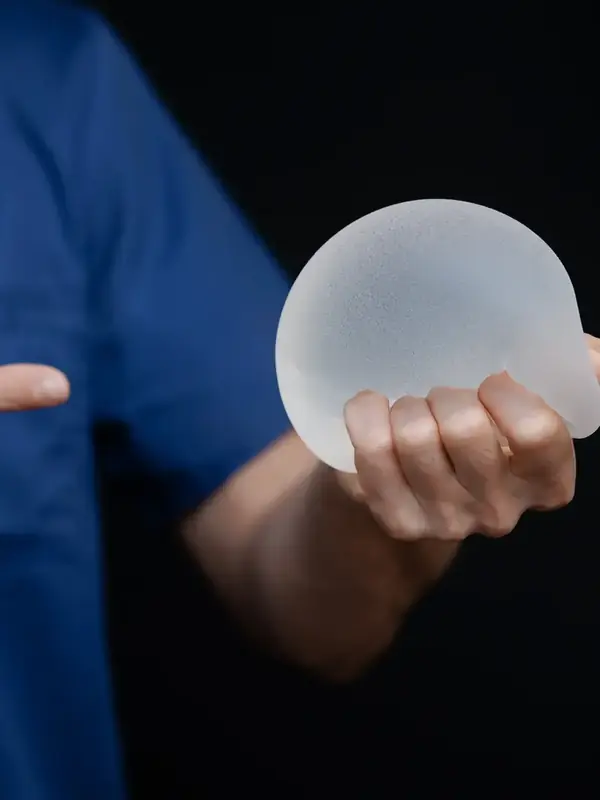
Breast Augmentation
Implants · Size · Shape · Symmetry
Discover
Lift
Breast Uplift
Mastopexy · Reshaping · Nipple Repositioning
Discover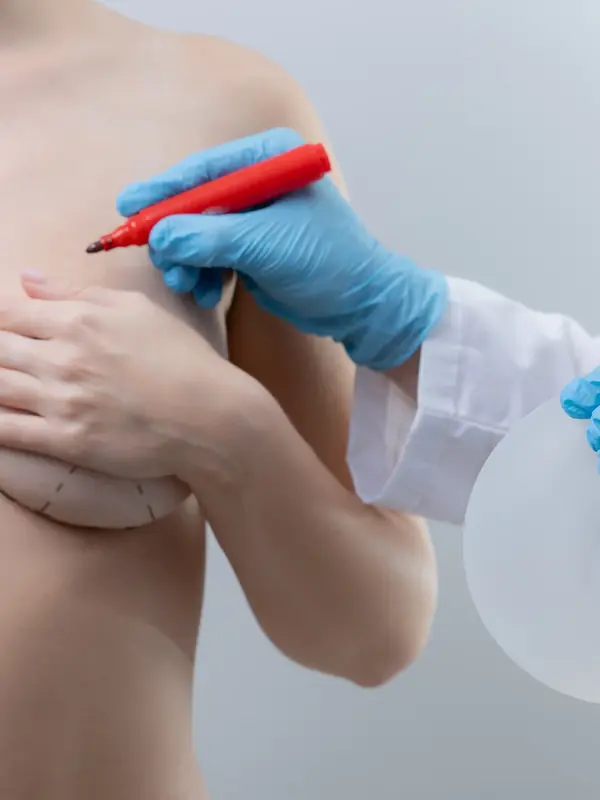
Lift & Restore
Uplift with Implants
Augmentation Mastopexy · Volume · Lift
Discover
Reduce
Breast Reduction
Lighter · Smaller · More Comfortable
Discover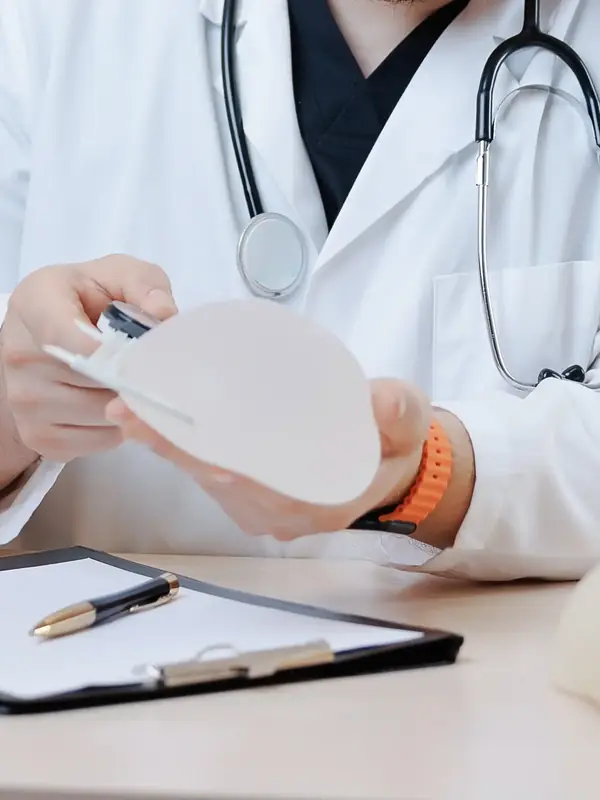
Revise
Implant Removal & Replacement
Exchange · Removal · Capsulectomy
DiscoverBegin
Not Sure Yet?
Talk it through privately, with no obligation
Book a ConsultationProcedures Explained
Know what's involved before you decide.
What each breast operation involves, how long recovery takes and what to be aware of, based on typical UK guidance. Your surgeon will tell you exactly what applies in your case.
Breast augmentation in Kent
Breast implants are placed either between the breast tissue and the chest muscle, or behind the chest muscle, through an incision next to or below the breast. They can increase size, change shape or make breasts more even.
- Anaesthetic
- General
- Operation
- 60 to 90 minutes
- Length of stay
- Same day or one night
- Time off work
- 1 to 2 weeks
Recovery
You'll be encouraged to get up and move around soon after the operation. Don't drive for at least a week, and leave heavy lifting and strenuous exercise for at least a month. Non-dissolving stitches typically come out at one to two weeks, and you may be advised to wear a supportive sports bra around the clock for up to three months. By about six weeks most everyday activities are back to normal, while your breasts take a few months to soften and settle.
Worth knowing
- Implants don't last forever and will probably need replacing at some stage; some women need another operation about a decade on.
- Implant-specific risks include capsular contracture (scar tissue tightening around the implant), rupture, folds or rippling, rotation, thick scars, and changes in nipple sensation that may be temporary or permanent.
- BIA-ALCL is an uncommon immune-system cancer linked to breast implants, almost always the textured type.
- If you breastfeed later on, your milk supply may be slightly lower.
- Your implant details should go on the national Breast and Cosmetic Implant Registry, so you can be contacted if a safety issue ever comes to light.
Talk through implant size, shape and placement in a private consultation.
Breast uplift in Kent
Mastopexy raises and reshapes breasts that sit lower than you would like. Excess skin is removed and the nipple is moved higher, so your cup size stays much the same. If you would also like more volume, implants can be added at the same time.
- Anaesthetic
- General
- Operation
- 1 to 3 hours
- Length of stay
- Usually one night
- Time off work
- Around 2 weeks
Recovery
Expect some tenderness, eased with painkillers, and to be up and moving soon after surgery. A soft, supportive bra is worn day and night for several weeks. You may be able to drive after one to two weeks, once a seatbelt is comfortable, and most people are back to their usual routine by around six weeks. Your breasts take several months to settle, and the scars keep fading for up to a year.
Worth knowing
- The scars are permanent, so ask your surgeon to show you exactly where yours would be.
- The lift isn't permanent. Breasts keep changing with age, and pregnancy, breastfeeding or weight change can alter the result, so many women wait until their family is complete.
- Moving the nipple can change or reduce its sensation, and may make breastfeeding difficult or impossible.
- Stopping smoking before surgery helps healing and lowers the chance of complications.
Find out in confidence whether an uplift alone will give the shape you want.
Breast uplift with implants in Kent
Pregnancy, breastfeeding, weight loss and time can all cause breasts to drop and lose volume. An uplift on its own lifts and reshapes; adding implants (augmentation mastopexy) restores fullness at the same time.
- Anaesthetic
- General
- Operation
- 2 to 4 hours
- Length of stay
- 1 or 2 nights
- Time off work
- 1 to 3 weeks
Recovery
Expect some discomfort in the first week, which pain relief usually manages well. Many people return to desk-based work after about a week, while a physically demanding job may need three weeks or more. Strenuous exercise and heavy lifting wait until you've healed, and full recovery usually takes around six weeks. A sports bra is recommended for at least three months, and the final shape can take around six months to appear.
Worth knowing
- It's a more extensive operation than augmentation alone, and it brings together the permanent scars of an uplift with the risks of implants.
- Depending on your breasts, your surgeon may advise doing it in one operation or in two separate stages.
- Possible complications include changes in nipple sensation, problems breastfeeding and wound infection.
- Implants are not lifetime devices, and your surgeon should discuss the small risk of BIA-ALCL with you.
Ask whether one operation or two stages would suit you better.
Breast reduction in Kent
A reduction makes your breasts smaller, lighter and better in proportion to your frame by removing tissue, fat and skin, usually moving the nipple higher too. For many women the main reason is physical: back, neck or shoulder pain, sore skin beneath the breasts, straps that dig in, or difficulty exercising.
- Anaesthetic
- General
- Operation
- 2 to 3 hours
- Length of stay
- 1 or 2 nights
- Time off work
- 2 to 3 weeks
Recovery
Any drain tubes usually come out within a day or two, and you can normally go home then. Plan on two to three weeks off work and up to six weeks before heavy lifting or vigorous exercise, and only drive once a seatbelt feels comfortable. Swelling can take around three months to settle, and scars often look red for about six weeks before gradually fading.
Worth knowing
- You may qualify on the NHS if very large breasts are causing health problems and steps such as a professionally fitted bra haven't helped. Your size, weight, general health and smoking can all be considered, and rules differ between areas, so start with your GP.
- Specific risks include visible scars, uneven breasts or nipples, wound-healing problems and reduced or lost nipple sensation. In rare instances, poor blood supply can damage breast tissue or the nipple.
- Breastfeeding may not be possible afterwards, and breasts can grow again in pregnancy, so timing matters if you're planning a family.
Discuss the size that would feel right for you, privately and with no obligation.
Breast implant removal and replacement in Kent
Some women want a different size or type of implant, or feel ready to move on from implants altogether. Surgery may also be needed for a problem such as a ruptured implant or capsular contracture, where the scar tissue around the implant tightens and becomes painful.
- Anaesthetic
- General
- Operation
- 1 to 3 hours
- Length of stay
- Depends on the procedure
- Time off work
- 3 to 4 weeks
Recovery
Most people return to normal daily activities within two to four weeks. Gentle exercise such as walking can usually start at around two weeks, while heavy lifting and strenuous upper-body exercise wait a few weeks longer. A soft support bra is usually worn day and night for up to six weeks. Scars generally follow your original incision lines.
Worth knowing
- Options include removing the implants only, removing some or all of the surrounding scar tissue (capsulectomy), or exchanging them for new implants in the same operation.
- Removing the implant and capsule together in one piece (en bloc) is typically used where BIA-ALCL is suspected.
- The MHRA notes that removal surgery is complex and carries greater risk than the first operation, so the benefits and risks should be weighed carefully.
- After removal, breasts are likely to look smaller and feel softer. Some women choose an uplift at the same time.
- Risks include infection, bleeding, changes in nipple sensation, asymmetry and fluid collecting where the implant was (seroma).
Talk through the options for your existing implants in confidence.
No surgery is free of risk. As well as the points listed for each procedure, any operation can lead to heavy bleeding, infection, blood clots (which can be serious) or a reaction to the anaesthetic, and some women are disappointed with how their breasts look afterwards. Before you agree to go ahead, your surgeon should explain how likely each risk is for you and how it would be treated.
Your Implant Choices
Understanding your implants.
If you're considering implants, these are the decisions you'll make with your surgeon. Knowing the options beforehand makes your consultation a real conversation.
Silicone or Saline
Silicone implants are the most common type in the UK. They're less likely to wrinkle and feel more natural, but can spread into the breast and cause lumps if they rupture. Saline implants are more likely to fold, rupture or go down over time; if they do, the saline is safely absorbed by the body.
Size and Shape
Implants come in a range of sizes and in round or anatomical (teardrop) shapes. Your surgeon should explain how each option would look with your frame and existing breast tissue.
Placement
An implant sits either between your breast tissue and chest muscle, or behind the chest muscle. Ask your surgeon which they recommend for you, and why.
Incision
The implant is inserted through a cut next to or below the breast. The most common site is the crease beneath the breast, where the scar is usually hidden.
Surface Texture
Implant surfaces are smooth, textured or polyurethane-coated. According to the MHRA, almost all cases of BIA-ALCL have involved implants with a textured surface, so it's worth discussing the texture your surgeon uses.
Make and Model
The NHS suggests asking about the type and manufacturer of implant your surgeon uses and why. Keep a record of your implant details for the future.
Living with implants
Implants are a long-term decision. These are the things UK guidance asks every woman with implants to know.
- Keep checking your breasts and report any changes to your GP quickly. You can still develop breast cancer with implants.
- Keep going to breast screening when invited, and tell the radiographer you have implants. Extra images may be taken, and mammograms don't cause implants to rupture.
- If you notice swelling, a lump or fluid around an implant more than a year after surgery, speak to your surgeon or GP. This is the most common sign of BIA-ALCL, which usually appears several years after surgery.
- The MHRA advises there is no need to remove implants that aren't causing symptoms.
- Some women report symptoms such as tiredness, anxiety and joint pain, sometimes called breast implant illness. It isn't yet known whether these are linked to implants, and your surgeon should discuss this with you.
- Problems with implants can be reported through the MHRA's Yellow Card scheme, which helps track implant safety.
- It's safe to sunbathe and fly once you've recovered from surgery.
The Refine Journey
Every step of your breast surgery, guided with care.
-
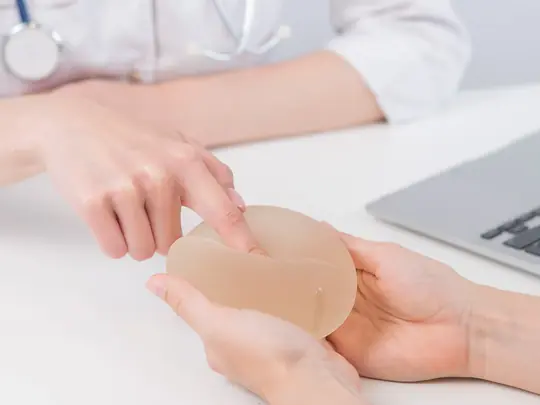
Private Consultation
Time with your surgeon, one to one and unhurried. Talk through what you'd like to change and your options, including implant type, size and placement if you're considering implants, and hear honestly what is realistic for you.
-

Bespoke Plan
Your plan is set out in writing with clear pricing. You then have a cooling-off period to reflect, and no decision is ever expected on the day.
-
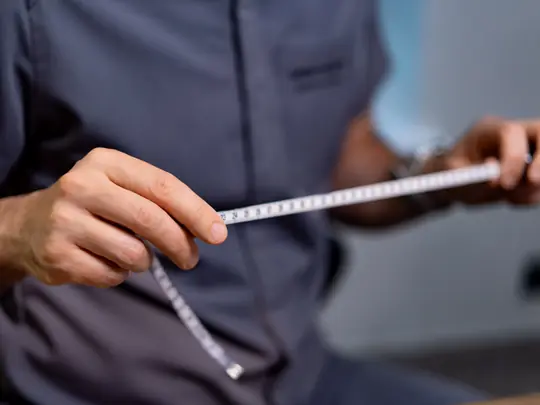
Your Procedure
Your surgeon carries out your operation, and our patient care team looks after you in the days before and after it.
-

Aftercare
Follow-up appointments and advice as you heal. Whenever a question comes up, our patient care team is only a call away.
Pricing & Recovery
What does breast surgery cost in the UK?
Every quote is different, shaped by the procedure, the surgeon, where the operation happens and your own plan. The figures below are typical UK private prices published by the NHS, shown alongside usual recovery times, and they exclude consultations, follow-up care and any future surgery.
| Procedure | Typical UK cost | Time off work | Avoid flying for |
|---|---|---|---|
| Breast augmentation | £3,500 to £8,000 | 1 to 2 weeks | 5 to 7 days |
| Breast uplift | Quoted after consultation | Around 2 weeks | 5 to 7 days |
| Uplift with implants | Quoted after consultation | 1 to 3 weeks | 5 to 7 days |
| Breast reduction | Around £6,500 | 2 to 3 weeks | 5 to 7 days |
| Implant removal or replacement | Quoted after consultation | 3 to 4 weeks | 5 to 7 days |
Prices come from the NHS guide to cosmetic procedures, and flying advice from NHS guidance on surgery abroad. Recovery times are from Spire Healthcare for uplift, The London Clinic for uplift with implants, and Nuffield Health for implant removal or replacement. Flying too soon after an operation increases the risk of blood clots, so be guided by your surgeon.
Questions to ask about any quote
Be sure you know precisely what's included before you sign anything. A complete quote for breast surgery should set out:
- fees for both your surgeon and your anaesthetist
- hospital or clinic charges, plus any nights you stay
- your implants, and the make and model being used
- the post-operative bra, check-ups and aftercare
- the cost of any further or corrective surgery, and who pays for it
Choosing Well
Choose your surgeon as carefully as your procedure.
These checks are recommended by the NHS, the GMC and the UK's plastic surgery associations. Whoever you go to, we'd encourage you to make every one of them.
The Surgeon's Registration
Search for your surgeon at gmc-uk.org to confirm they are on the specialist register and hold a licence to practise. Membership of BAAPS or BAPRAS is a further sign of standards.
Where You'll Have Surgery
In England, the hospital or clinic must be registered with the Care Quality Commission. Look it up by name at cqc.org.uk before you book.
Who Will Operate
Meet the surgeon who will actually operate, not only a clinic adviser. GMC guidance says that surgeon should take your consent personally.
Their Experience
The NHS suggests asking how many breast operations your surgeon has performed, how often complications have occurred, and what follow-up you should expect if things go wrong.
Time to Decide
BAAPS advises a cooling-off period of at least two weeks, and a second consultation is often recommended. Booking deadlines, time-limited discounts and non-refundable deposits taken before you've had time to think are all warning signs.
Implant Records
Check your implants will be recorded on the national Breast and Cosmetic Implant Registry. The MHRA's risk awareness tool for cosmetic breast augmentation can help you prepare for the conversation.
Aftercare Close to Home
Know who to call if something goes wrong and how easily you could return for follow-up. If you're weighing up surgery abroad, the NHS advises against flying for five to seven days after breast surgery, and travel insurance often won't cover elective procedures.
Before You Decide
Is breast surgery right for you, right now?
Good results begin with clear reasons and realistic expectations. These are the questions the NHS and the UK's plastic surgery associations suggest asking yourself before you book.
What's prompting this?
Think about what you want to change and why now. The decision should be yours alone, not one made to please a partner or friends, or to match what you see online.
What am I expecting to change?
Breast surgery can alter size and shape, but it won't necessarily change your relationships, your confidence or your life. No surgeon can guarantee a result, and a good one will tell you plainly what is possible.
Is life settled enough?
BAAPS advises against surgery during big upheavals such as a move, a new job, a bereavement or a break-up. Pregnancy, breastfeeding and weight change matter too, as each can alter the shape of your breasts after surgery.
Have I asked my GP?
Your GP has no financial stake in your decision, so can offer impartial advice. They can also tell you whether a breast reduction might be available on the NHS in your area.
Can I plan for recovery, and beyond?
Allow one to four weeks off work depending on the procedure, plus an adult to collect you and stay with you for 24 hours afterwards. Implants are not lifetime devices, so budget for the possibility of future surgery too.
Am I being rushed?
If you feel pressured, are short of information or are given a deadline to book, walk away and think about a second opinion. Special offers are never a good reason to have surgery.
"Not yet" is a perfectly good answer to any of these. You are free to step back right up until your operation.
Your Questions
Questions, answered with care.
How much does breast surgery cost?
Pricing depends on your procedure and your individual plan. For guidance, NHS figures put breast augmentation at £3,500 to £8,000 and breast reduction at around £6,500 in the UK, usually excluding consultations and follow-up care. You'll be given a written quote after your consultation.
Where would my consultation and surgery take place?
Refine Lifestyles sees women from right across Kent, from Medway and Maidstone to Canterbury, Ashford, Sevenoaks and Tunbridge Wells. Rather than working from one fixed clinic, Refine uses private facilities for consultations and operations, and you'll be told exactly where your appointment is when someone from the team contacts you.
What happens at my first consultation?
Time with your surgeon to go through your medical history, what you'd like to achieve and the options open to you, along with the risks and what recovery involves. If implants are on the table, you'll also discuss their type, size, shape and placement. You're under no obligation to go ahead.
How long should I take to decide?
BAAPS advises a gap of at least two weeks from your consultation to your operation, GMC guidance says you should be given enough time to reflect, and many surgeons suggest a second consultation before you book. Even then, you are free to change your mind right up until your surgery.
How long do breast implants last?
They aren't designed to last a lifetime, so replacement at some point is likely. Around ten years after their first operation, some women need further surgery because the implant or the breast has changed. Your surgeon can explain the options if that happens.
Should I choose silicone or saline implants?
Silicone implants are the most common type used in the UK. The NHS notes they are less likely to wrinkle and feel more natural, but can spread into the breast and cause lumps if they rupture. Saline implants are more likely to fold, rupture or go down over time; if they do, the saline is safely absorbed by the body. Your surgeon will explain the pros and cons of each.
Can I still have mammograms with breast implants?
Yes. You should keep going to breast screening when invited. Tell the radiographer you have implants: X-rays can't pass through an implant, so extra images may be taken to show as much breast tissue as possible. The NHS says mammograms are safe and do not cause implants to rupture.
What is BIA-ALCL?
Breast implant associated anaplastic large cell lymphoma is an uncommon cancer of the immune system that can develop in the scar tissue around an implant. Almost all cases have been linked to textured implants. The most common sign is a fairly quick, painless swelling of one breast, usually years after surgery. If you notice swelling or a lump more than a year after having implants, speak to your surgeon or GP. The MHRA advises there is no need to remove implants unless you have symptoms.
Can I breastfeed after breast surgery?
It may be affected. Implants can lower your milk supply slightly, and after a reduction breastfeeding is sometimes not possible. If you'd like to breastfeed in the future, raise it with your surgeon before you decide.
How much time off work will I need?
It depends on the procedure and your job. As a guide, around one to two weeks after breast augmentation, around two weeks after a breast uplift, two to three weeks after a breast reduction, and three to four weeks after implant removal or replacement.
When will I see my final result?
Swelling takes time to settle. Breasts usually start to look and feel more natural a few months after augmentation, while the shape after an uplift, with or without implants, can continue to settle for six months to a year.
Is breast surgery available on the NHS?
Breast enlargement isn't usually available on the NHS, though there are some exceptions, such as very uneven breasts. Breast reduction may be offered where large breasts cause health problems. Rules vary by area, so speak to your GP.
How old do I need to be?
You need to be 18 or over to book a consultation with us, and the enquiry form asks you to confirm this.
Will my enquiry be kept private?
Yes. Whatever you tell us, including anything about your health, is used only to reply to you and follow up. We never sell your information, and if you don't go on to become a patient we keep your enquiry for no more than 12 months. Our Privacy Policy has the full details.
Last reviewed in October 2026, drawing on guidance from the NHS, MHRA, GMC, BAAPS, BAPRAS and PHIN.
Begin Your Journey
Request a private consultation.
Share a few details and a member of our patient care team will be in touch personally, in complete confidence.
- Telephone
- 0203 887 2352
- Welcoming
- Patients from across Kent, London, Essex and the surrounding counties